NEED TO KNOW
Representatives from 132 countries and the EU met in Brazil to address threats to migratory species
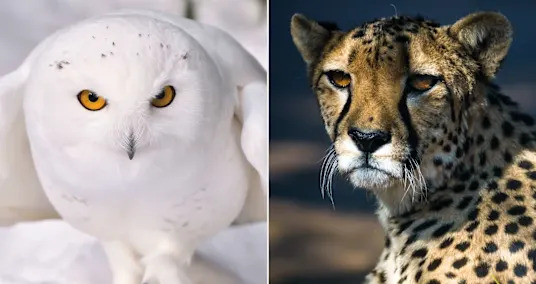
Species receiving new protections include cheetahs, snowy owls, striped hyenas, giant otters, and great hammerhead sharks
Habitat loss, climate change, and pollution are driving declines in many species protected under the treaty
Forty at-risk animal species are gaining new protections from the United Nations.
At a U.N. wildlife conservation meeting in Campo Grande, Brazil, on March 29, the Convention on the Conservation of Migratory Species of Wild Animals (CMS) adopted several measures to strengthen global and regional conservation efforts for species at risk of extinction. The summit brought together representatives from 132 countries and the European Union.
The list of animals that benefit from these new measures includes cheetahs, snowy owls, spotted hyenas, great hammerhead sharks, and several shorebird species.

Credit: Alexis Rosenfeld/Getty
"From cheetahs and striped hyenas to snowy owls, giant otters and great hammerhead sharks, CMS Parties have backed stronger international action as new evidence shows many migratory species are moving closer to extinction," the CMS wrote in an X post.
Parties at the conservation meeting agreed to list the 40 additional species on CMS lists of species in danger of extinction and species in need of coordinated international action. The CMS lists now include over 1,200 unique species.
The week-long conference opened with new findings showing that many treaty-protected species continue to trend downward due to habitat loss, overexploitation, and infrastructure barriers, accelerating declines across species that span national borders.

Credit: VOLKER HARTMANN/DDP/AFP via Getty
The group also addressed a growing need to combat threats such as deep-sea mining, climate change, plastic pollution, underwater noise, illegal wildlife killing, fisheries, and marine pollution.
Never miss a story — sign up for PEOPLE's free daily newsletter to stay up-to-date on the best of what PEOPLE has to offer, from celebrity news to compelling human interest stories.
"We came to Campo Grande knowing that the populations of half the species protected under this treaty are in decline," CMS Executive Secretary Amy Fraenkel said in a statement.
"We leave with stronger protections and more ambitious plans, but the species themselves are not waiting for our next meeting. Expanded protections for striped hyena, snowy owls, giant otters, great hammerhead sharks, and many more demonstrate that nations can act when the science is clear. Our duty now is to close the distance between what we've agreed and what happens on the ground for these animals," she added.
Read the original article on People
LATEST POSTS
- 1
 Iran steps up executions as experts warn state killing being used to suppress political dissent
 - 2European nations criticise Israel’s death penalty plans
- 3Which Switch Game Do You Suggest? Share Your Decision
- 4Instructions to Shield Your Gold Speculation from Possible Dangers: Fundamental Protections
- 5Saturn shines with the waxing moon at sunset on Nov. 29




- Figuring out the Business venture Code: The Response to Building an Effective Startup
- Syrian army says recent drone attacks targeted its bases near Iraq, most shot down
- Major Scottish gangland figure Steven Lyons arrested in Bali
- Obamacare enrollment declines as US subsidies expire
- US FDA investigates Takeda's blood disorder drug after pediatric death
- She was moments away from giving birth. The hospital discharged her
- France honors the victims of the Paris attacks' night of terror 10 years on
- Key takeaways from Sen. Bill Cassidy's interview on 'Face the Nation' with Margaret Brennan
- How Much Has the Iran War Cost the Average American Per Day?