A telescope in Chile has captured a stunning new picture of a grand and graceful cosmic butterfly.
The National Science Foundation's NoirLab released the picture on Wednesday. The glowing "wings" appear to be bursting in the image. While the bipolar nebula goes by the monikers Butterfly Nebula, Bug Nebula or Caldwell 69, its official name is NGC 6302.

Snapped last month by the Gemini South telescope — half of the International Gemini Observatory on Cerro Pachón, a mountain in Central Chile — the aptly named Butterfly Nebula is 2,500 to 3,800 light-years away in the constellation Scorpius. A single light-year is 6 trillion miles.
At the heart of this bipolar nebula is a white dwarf star that cast aside its outer layers of gas long ago. The discarded gas forms the butterfly-like wings billowing from the aging star, whose heat causes the gas to glow.
Students in Chile chose this astronomical target to celebrate 25 years of operation by the International Gemini Observatory.
"This picturesque object was chosen as a target for the 8.1-meter [26.5-foot] telescope by students in Chile as part of the Gemini First Light Anniversary Image Contest," NoirLab wrote on its website. "The contest engaged students in the host locations of the Gemini telescopes to celebrate the legacy that the International Gemini Observatory has built since its completion, marked by Gemini South's First Light in November 2000."
It's not known exactly when NGC 6302 was discovered, NoirLab says, but a 1907 study by American astronomer Edward E. Barnard is often credited. Scottish astronomer James Dunlop could also have discovered it in 1826.
Trump reacts to National Guard shooting in D.C. as details emerge about Afghan suspect
FDNY commissioner says faith is factor in leaving role after Mamdani win: "Emotional decision"
House Speaker Mike Johnson says House GOP does not want to extend health care subsidies: sources





 I asked ChatGPT who would win a Golden Globes. Here's what it got right — and totally wrong.
- ByHeart infant formula recall tied to botulism outbreak puts parents on edge
- Nikki Glaser returns as host of the 2026 Golden Globes: Everything the comedian has said about the upcoming awards show
- Changing Negative Cash Mentalities: Enabling Your Monetary Excursion
- Home Machine Basics: An Exhaustive Purchasing Guide
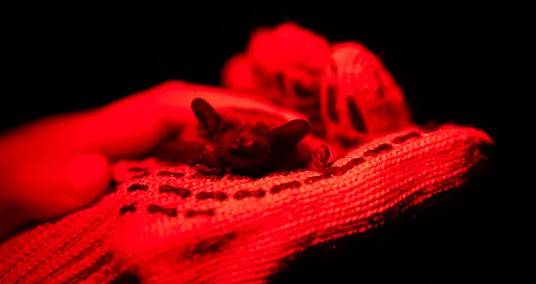
- After harsh winter, Ukrainians find joy in releasing bats rescued from war
- My Excursion to Monetary Autonomy: Awesome ways to save cash
- Presenting Nintendo's New Pastel Bliss Con Tones for Switch Gamers: 3 Smart Choices
- Study shows no clear link between low-fat dairy and dementia risk