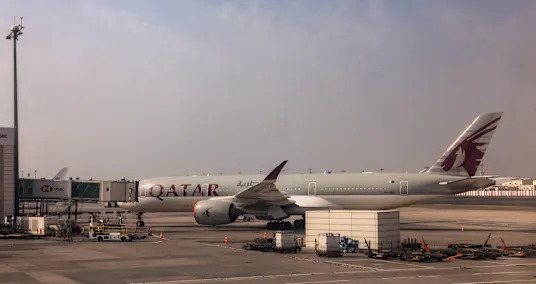
The Iran war is reshaping international aviation, with Gulf carriers forced to cancel tens of thousands of flights while rivals from Europe and Asia pick up some of the slack.
Around 1.7 million weekly seats have been removed from the region’s airline schedules so far, equal to around a third of prewar capacity, according to industry analysts OAG.
Saudi-based airlines are operating near-normal schedules, but the larger carriers in Qatar and the UAE are not. Qatar Airways is seeking lower aircraft rental payments as a way to reduce costs, Bloomberg reported. Airlines from other regions, including British Airways, Germany’s Lufthansa, and Hong Kong-based Cathay Pacific have cut back on services to the Gulf or pulled out entirely. At the same time, some have increased capacity on direct Asia-Europe routes that bypass the Gulf, although it is hard to make significant additions quickly, and at affordable prices for passengers.

LATEST POSTS
- 1
 The most effective method to Redesign the Sound Framework in Your Smash 1500.
 - 2Which Carrier Do You Suggest? Vote
- 3Executed Iranian nuclear scientist confessed to aiding Israel after torture, threats against mother
- 4Investigating Cooking and Culinary Expressions: An Excursion Through Flavors
- 5Opening Innovativeness: Moving Thoughts and Tasks


- Zelensky warns of imminent massive Russian attack on Ukraine
- Apollo vs. Artemis: What to know about NASA's return to the moon
- Israel says soldiers wounded in Gaza fighting amid fragile truce
- Vote in favor of your #1 Kind of Cap
- Brazil's Bolsonaro to continue his sentence at home because of poor health
- Find the Effect of Web-based Entertainment on Society: Exploring the Computerized Scene
- Why some African countries are prone to military takeovers
- Divorce filings, feuds and legal trouble: The 'Mormon Wives' drama keeps piling up
- Air Canada CEO To Resign After Backlash—Here’s Why Communication Skills Is Now A Leadership Requirement